
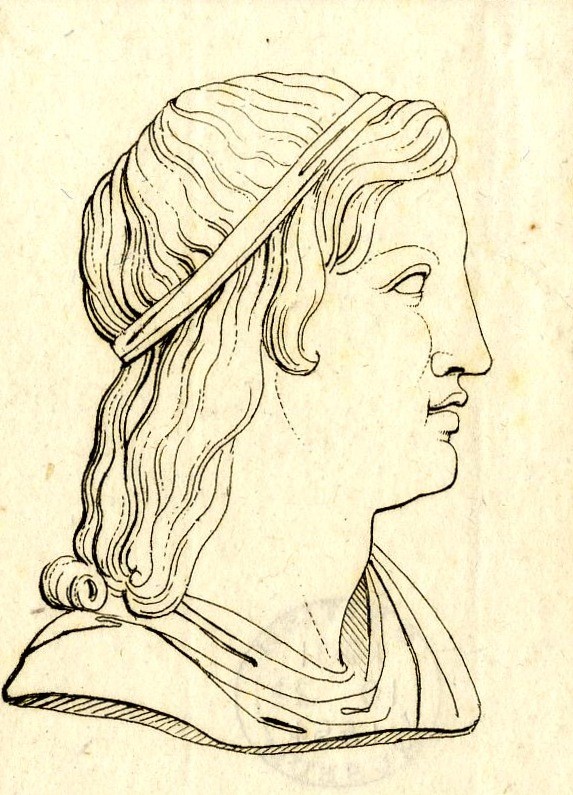
Gaius Suetonius Tranquillus was a Roman biographer born around the year 70 and died in 126. He came from a family of the equestrian order, a Roman equivalent of knighthood. His one surviving complete work, The Twelve Caesars, covers Julius Caesar and the first eleven emperors of the Roman Empire, ending with the death of Domitian in 96 AD. Nearly all his other writings have been lost except fragments.
Key facts
- Born: 70
- Died: 126
- Place of death: Roman Empire
- Country: Ancient Rome
- Occupation: biographer
Life and career
Suetonius was born around the year 70 to a family of the equestrian order, a Roman equivalent of knighthood. He moved to Rome sometime during the 90s, where he gained the admiration and support of Pliny the Younger.
Pliny the Younger helped him financially to purchase property and advocated for him to receive the special privilege of ius trium liberorum, despite his childless marriage.
After his dismissal, Suetonius virtually disappeared from the historical record, but is presumed to have lived into the following decade. He died in 126, in the Roman Empire.
The Twelve Caesars
The Twelve Caesars covers Julius Caesar and the first eleven emperors of the Roman Empire, ending with the death of Domitian in 96 AD. Rather than organizing each biography chronologically, Suetonius structured the Lives by subject area, such as ancestry, early life, public offices, habits, vices, and death.
It is his only work to survive complete; nearly all his other writings have been lost except fragments.
Reputation
Suetonius is frequently criticized by modern historians for his uncritical inclusion of gossip, rumor, and salacious detail in his biographies.
Medieval chroniclers and Renaissance humanists read The Twelve Caesars not just as history but as moral instruction and drama.
Data sources
Data updated: 2026-11-19