
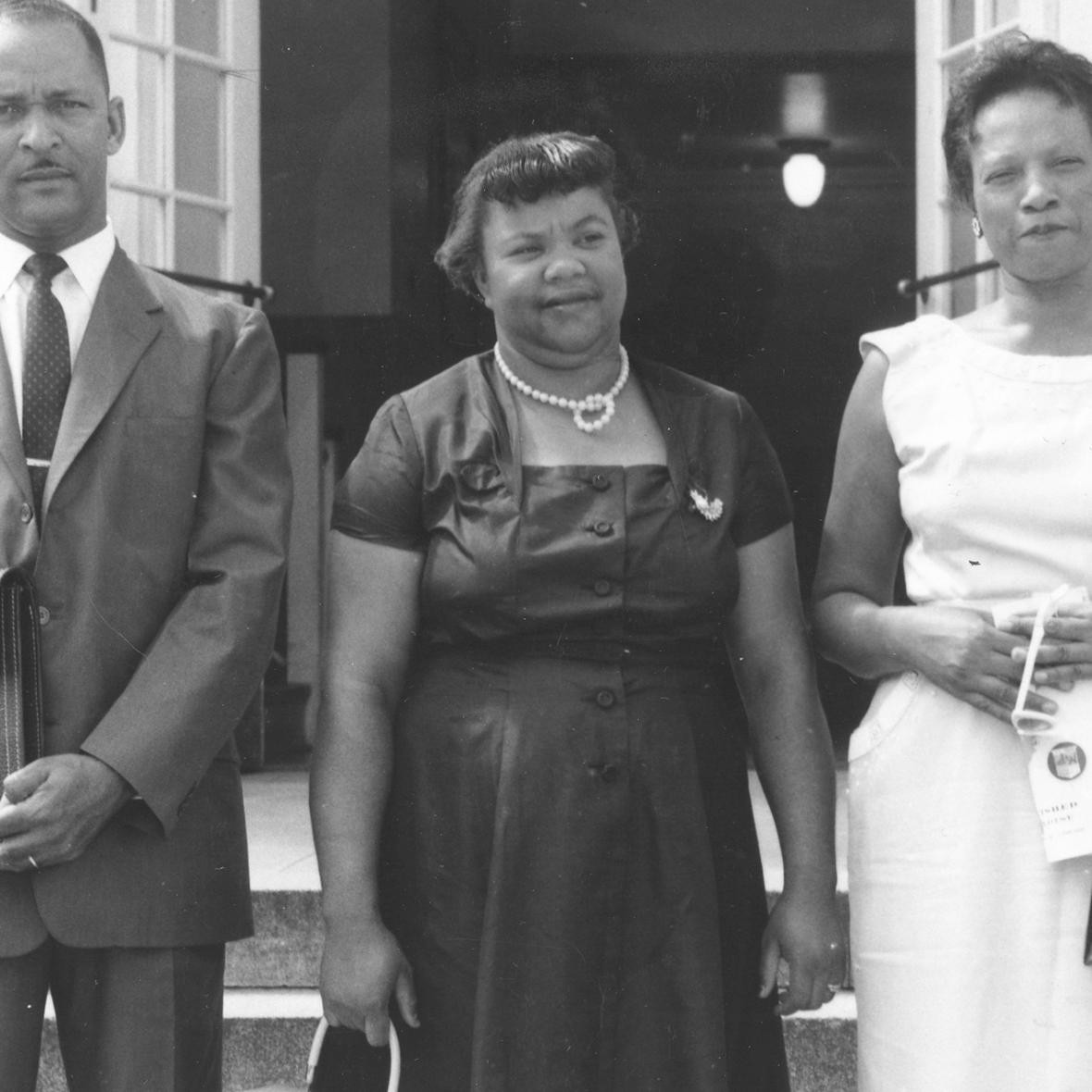
Sarah Mae Flemming was an American activist born on June 28, 1933, in Eastover, whose removal from a city bus led to a federal court case that influenced the end of bus segregation in the United States. She was a domestic worker who, after finishing high school, moved in with a cousin in Columbia, South Carolina, where she held two jobs. When she was struck and forced off a bus two miles from her intended stop, she took the matter to court. Though an all-white, all-male jury later denied her compensation, the Fourth Circuit’s ruling in her case was cited in Browder v. Gayle, the lawsuit that ended the Montgomery Bus Boycott. She died on June 16, 1993.
Key facts
- Born: 28 June 1933
- Birthplace: Eastover
- Died: 16 June 1993
- Country: United States
- Occupation: activist
The bus incident
Flemming got off the bus at the corner of Washington and Main Streets, two miles from the stop she had intended to reach, after being struck and forced off early. She filed suit over the injury and treatment she had received.
The court case and its reach
When the case went to a jury trial, an all-white, all-male jury refused to award Flemming any compensation for the harm she suffered. Despite that loss at trial, her case had a significant effect on the desegregation of buses and on civil rights law across the country. Browder v. Gayle, the lawsuit that ultimately ended the Montgomery Bus Boycott, cited the Fourth Circuit’s decision in her case.
Flemming gave few public interviews about her experiences. In 1956 she praised the Supreme Court for denying SCE&G’s appeal, saying, as recorded that year, that she never rode a city bus again after being put off one.
Later life
After the case, Flemming returned to a quiet life. She never told her children about her part in ending bus segregation; her family believes she kept it secret to protect them, though the family has since come to embrace her civil rights legacy. She died on June 16, 1993.
Did you know
- In 1956 she said: “I never rode a city bus since they put me off and I never will again.” (scencyclopedia.org)
- After being struck and forced off the bus early, she had to walk two miles to reach her intended stop. (ktvz.com)
- Her own children did not learn of her role in civil rights history until after her death, as she had kept it secret. (ktvz.com)
Data sources
Where it appears
Data updated: 2026-11-15