
Albert is a commune in the Somme department of northern France, part of the arrondissement of Péronne and the Communauté de communes du Pays du Coquelicot, with a population of 9,521 across 14 square kilometres at an elevation of 67 metres. It sits in the historic region of Picardy, northeast of Amiens, on the D929 road that runs from Amiens east to Bapaume, a route that crosses the Somme battlefields directly. During the First World War, Albert served as the main town behind the British lines on the 1916 Somme front and was devastated in the fighting. The town today is built around that history, with a basilica, a museum set in underground tunnels, and a central square, the Place d’Armes, that ties the two together.
Key facts
- Country: France
- Type: commune of France; dwelling place
- Located in: Somme; arrondissement of Péronne; Communauté de communes du Pays du Coquelicot
- Coordinates: 50.0019, 2.6522
- Population: 9,521
- Area: 14 km²
- Elevation: 67 m
Geography and setting
Albert lies in the Somme department, within the arrondissement of Péronne and the Communauté de communes du Pays du Coquelicot, at coordinates 50.0019, 2.6522. The commune covers 14 square kilometres and stands at an elevation of 67 metres, with a population of 9,521. It is located in Picardy, northeast of Amiens, and the D929 road connects it eastward to Bapaume, running straight through the Somme battlefields.
The 1916 battle and its mark on the town
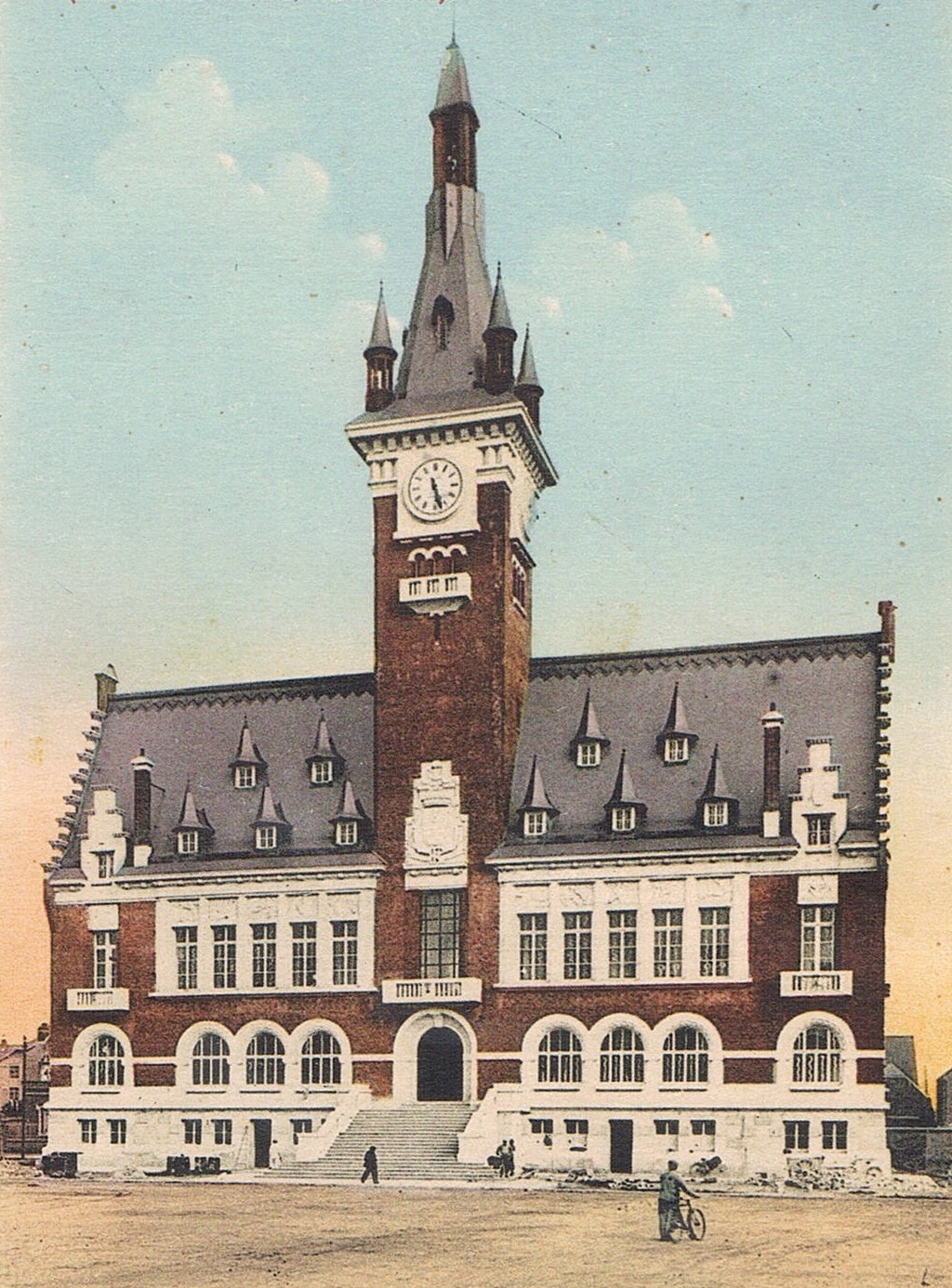
Albert’s position behind the British lines made it the principal rear town for the 1916 Somme offensive, and the fighting left it devastated. The Place d’Armes, beside the Basilica of Notre-Dame de Brebières, was one of the town’s key historic spaces; before the war the town hall had stood there, close to the basilica.
The basilica itself was rebuilt afterward with a replica of its Virgin statue, recast by Albert Roze, the same sculptor from Amiens who had made the original.
The Musee Somme 1916
Beneath the town runs a tunnel originally dug in the 13th century, converted into air-raid shelters in 1938 ahead of the Second World War. This tunnel, 250 metres long and lying 10 metres below ground, now houses the Musee Somme 1916, which opened to the public on 1 July 1992.
Inside, around twenty display cases hold period objects, equipment and weapons, including material related to gas and tank technology. The museum also includes a ‘Heroes Gallery’ presenting the lives of nine people who distinguished themselves during the Battle of the Somme. Visitors leave the museum through a public garden where the Ancre river runs through the town.
Did you know
- A mural at 38 Rue Dubas in the town center depicts British forces blowing up the basilica’s bell tower in 1918. (beyondyellowbrickblog.com)
- The nearby Ulster Tower memorial, dedicated in 1921, was the first official Battle of the Somme memorial completed. (beyondyellowbrickblog.com)
- Legend places the basilica’s origin in the 11th century, when an angry shepherd struck the ground with his staff and heard a voice tell him to stop because he was hurting her. (francetravelplanner.com)
- After touring the museum, visitors exit through a public garden where the Ancre river winds through the town. (ville-albert.fr)
Data sources
Data updated: 2026-11-26