
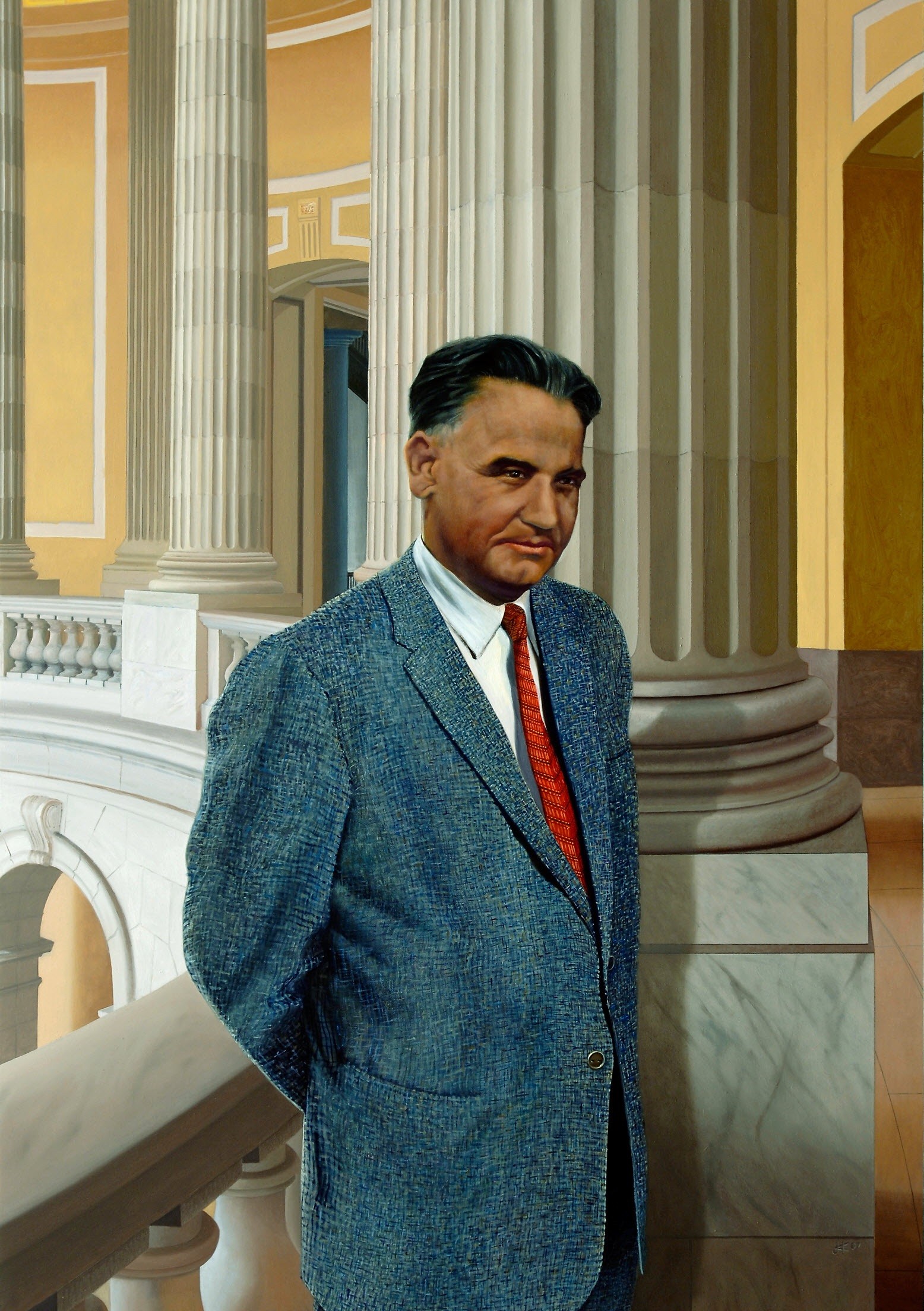
Dalip Singh Saund, born on September 20, 1899, in Chhajulwadi, a small village in the Amritsar district of Punjab Province, British India, became the first Indian American, the first Sikh, and the first Asian American elected to the U.S. House of Representatives. He arrived in California in 1920 to pursue studies at the University of California, Berkeley, spent decades building a life under laws that denied him citizenship and land rights, and eventually won a seat in the U.S. House of Representatives.
Key facts
- Born: 20 September 1899
- Birthplace: Amritsar
- Died: 22 April 1973
- Place of death: Hollywood
- Country: United States; India; British Raj; Dominion of India
- Occupation: politician; judge; businessperson; farmer
- Education: University of California, Berkeley; University of the Punjab; University of California, Berkeley
Early Life and Education
Saund was born to Sikh parents, Natha Singh and Jeoni Kaur. Both parents were uneducated, though his father had become wealthy working as a government contractor. When Saund was ten years old, his father died, and he was sent to a boarding school in Amritsar. He later attended Prince of Wales College before enrolling at the University of the Punjab.
In 1920, Saund immigrated to the United States to study food preservation in the Department of Agriculture at the University of California, Berkeley. His original plan was to return to India and establish a mango canning industry. That plan did not materialize, and he remained in California, where he eventually turned to farming.
Life Under Discriminatory Laws
California’s Alien Land Act barred Asians from owning or leasing land. To farm at all, Saund had to place contracts in a friend’s name rather than his own. The arrangement was one of several legal obstacles that shaped his path toward political activism.
Entry into Politics
Saund’s first electoral attempt ended in an unusual setback. He won election as justice of the peace in 1950, but his opponent successfully challenged the result on the grounds that Saund had not held U.S. citizenship for a full twelve months by the election date. The win was invalidated. He ran for the same seat two years later and won without challenge.
Saund went on to win a seat in the U.S. House of Representatives, becoming the first Indian American, the first Sikh, and the first Asian American elected to that body.
Congressional Career
In the fall of 1957, the chairman of the House Foreign Affairs Committee designated Saund as a one-man subcommittee to tour Southeast Asia. He visited Japan, Taiwan, the Philippines, South Vietnam, Indonesia, Thailand, Burma, India, and Pakistan to study the mutual-security program. During the trip he met with Israeli Prime Minister David Ben-Gurion, Indonesian President Sukarno, and Indian Prime Minister Jawaharlal Nehru.
Saund supported the Civil Rights Act of 1957, drawing on his own experience as an immigrant who had been denied citizenship to argue against second-class citizenship for Black Americans. Within Congress, he chaired a subcommittee on border affairs within the U.S.-Mexico Interparliamentary Group. His constituency work included securing funding for the March Air Force Base, flood control projects, irrigation on American Indian land, and new post offices.
Stroke and Final Years
In May 1962, while campaigning for a fourth term and aboard a flight from California to Washington, D.C., Saund suffered a severe stroke. It paralyzed the right side of his body and left him unable to speak, ending his political career. His wife Marian cared for him at their home in Hollywood, California, for the eleven years that followed.
Saund died on April 22, 1973, after a second stroke.
Legacy and Commemoration
On November 7, 2007, an official portrait of Saund, painted in oil on canvas by Jon R. Friedman, was unveiled at the U.S. Capitol. It placed him in a House series that also includes portraits of the first woman, the first African American, and the first Hispanic American elected to Congress.
A 36-minute documentary, Dalip Singh Saund: His Life, His Legacy, directed by E. Samantha Cheng, was released in 2014 as part of the Asian Pacific American Members of Congress History Project. Saund’s papers, covering a period largely from 1921 to 2002, were donated to the Department of Special Research Collections at the UC Santa Barbara Library, where they occupy 22.31 linear feet and include congressional records, correspondence, scrapbooks, and audiovisual materials.
Did you know
- When Saund arrived in the United States in 1920, he lived rent-free in a two-story clubhouse owned by the Sikh Temple of Stockton, California. Indian students there took turns cooking and shared electricity costs cooperatively. (sikhcentury.wordpress.com)
- When Saund first won election as justice of the peace in 1950, his opponent found a legal loophole to have the result invalidated on the grounds that Saund had not been a U.S. citizen for a full twelve months by the election date. He ran again two years later and won. (sikhcentury.wordpress.com)
- As a congressman, Saund chaired a subcommittee on border affairs within the U.S.-Mexico Interparliamentary Group. His constituency work included securing funding for the March Air Force Base, flood control projects, irrigation on American Indian land, and new post offices. (oac.cdlib.org)
Data sources
- Wikidata
- ebsco.com
- thecandidate.com
- sikhcentury.wordpress.com
- fapac.org
- pewresearch.org
- wiki2.org
- repbio.org
- saundvscochran.com
- saund.org
- speakeremeritapelosi.house.gov
- oac.cdlib.org
- harihareswara.net
Data updated: 2026-10-27